
What is Web Security?
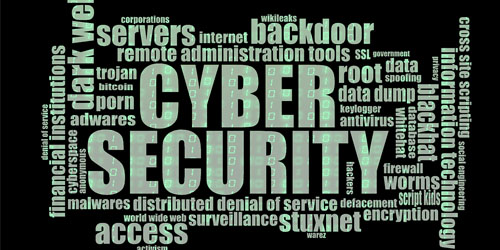
Web security, also known as cybersecurity means protecting a website or web application by detecting, preventing and responding to cyber threats which are methods of abusing web technology to the detriment of a website, its users, or even the Internet at large. They arise for websites that are misconfigured, that were inadvertently programmed with vulnerabilities, or that rely on components that are themselves vulnerable.
Sino Soft provides security using the trusted SiteLock® to automatically scan your website for malware and protect your online reputation. Scans done on a website include malware scanning, SQL injection and Cross Site (XSS) scans, automatic malware, web application firewall and provision of a global Content Delivery Network (CDN).
Sino Soft’s solution to your website’s protection against cyberthreats
Types of Cyber Threats
Here are some common methods used to threaten cyber-security.
Malware
Malware means malicious software. One of the most common cyber threats, malware is software that a cybercriminal or hacker has created to disrupt or damage a legitimate user’s computer. Often spread via an unsolicited email attachment or legitimate-looking download, malware may be used by cybercriminals to make money or in politically motivated cyber-attacks.
There are a number of different types of malware, including:
- Virus: A self-replicating program that attaches itself to clean file and spreads throughout a computer system, infecting files with malicious code.
- Trojans: A type of malware that is disguised as legitimate software. Cybercriminals trick users into uploading Trojans onto their computer where they cause damage or collect data.
- Spyware: A program that covertly records what a user does, so that cybercriminals can make use of this information.
- Ransomware: Malware which locks down a user’s files and data, with the threat of erasing it unless a ransom is paid.
- Adware: Advertising software which can be used to spread malware.
- Botnets: Networks of malware infected computers which cybercriminals use to perform tasks online without the user’s permission.
SQL injection
An SQL (structured language query) injection is a type of cyber-attack used to take control of and steal data from a database. Cybercriminals exploit vulnerabilities in data-driven applications to insert malicious code into a databased via a malicious SQL statement. This gives them access to the sensitive information contained in the database.
Phishing
Phishing is when cybercriminals target victims with emails that appear to be from a legitimate company asking for sensitive information. Phishing attacks are often used to dupe people into handing over credit card data and other personal information.
Man-in-the-middle attack
A man-in-the-middle attack is a type of cyber threat where a cybercriminal intercepts communication between two individuals in order to steal data. For example, on an unsecure Wi-Fi network, an attacker could intercept data being passed from the victim’s device and the network.
Denial-of-Service attack
A denial-of-service attack is where cybercriminals prevent a computer system from fulfilling legitimate requests by overwhelming the networks and servers with traffic. This renders the system unusable, preventing an organization from carrying out vital functions.
Cyber Safety Tips Against Cyberattacks
As one strives to keep their website safe from cyberattacks, their own security has got to be catered for to ensure they are not the conduit for attack on their own websites. How can businesses and individuals guard against cyber threats? Here are our top cyber safety tips:
- Update your software and operating system: This means you benefit from the latest security patches.
- Use anti-virus software: this will detect and removes threats. Keep your software updated for the best level of protection.
- Use strong passwords: Ensure your passwords are not easily guessable.
- Do not open email attachments from unknown senders: These could be infected with malware.
- Do not click on links in emails from unknown senders or unfamiliar websites: This is a common way that malware is spread.
- Avoid using unsecure Wi-Fi networks in public places: Unsecure networks leave you vulnerable to man-in-the-middle attacks.
Get SiteLock® now and protect your website.